
Description
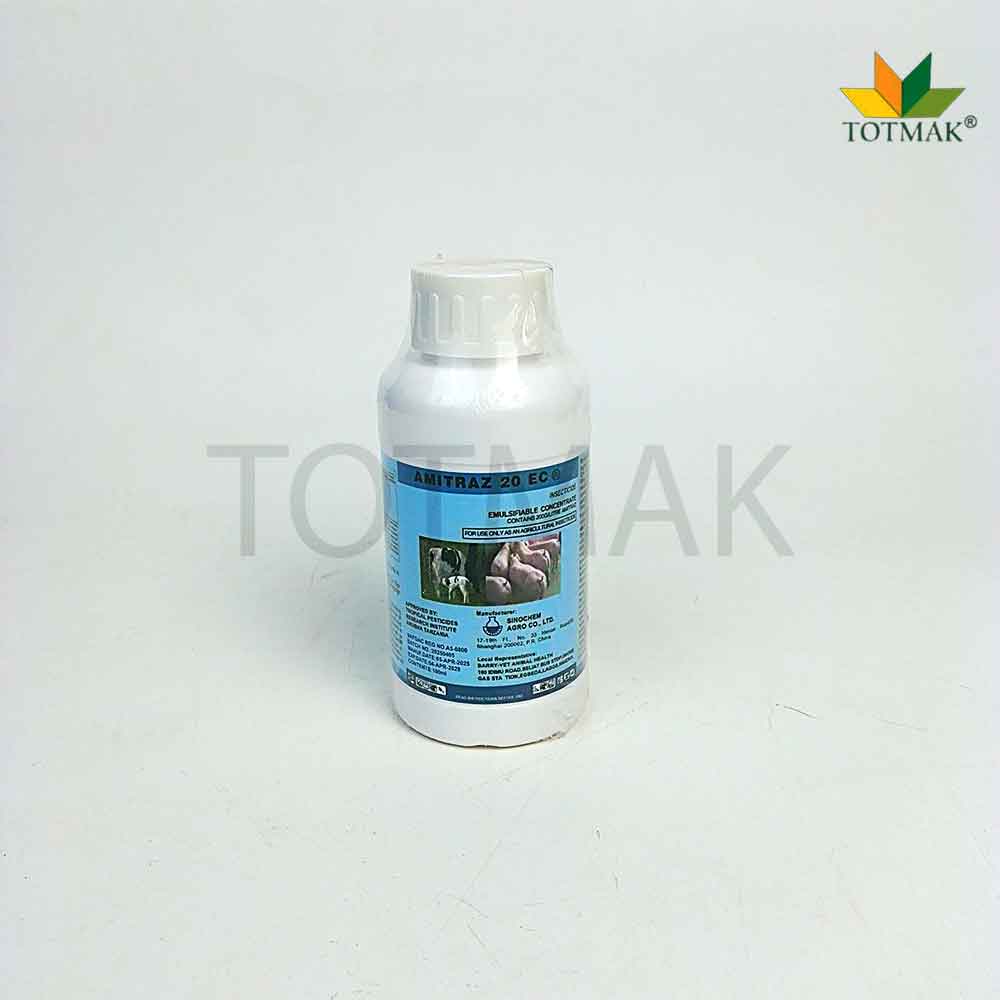
Amitraz Insecticide – Effective External Parasite Control
Amitraz Insecticide is an emulsifiable concentrate designed for the control of external parasites that can affect livestock and animal health. External parasites such as ticks, mites, and lice can cause considerable discomfort and stress while negatively affecting animal condition and productivity. Effective parasite management is therefore an important part of a good livestock health programme.
Amitraz belongs to the formamidine group of acaricides and insecticides and is widely recognized for its activity against susceptible ticks and mites. Depending on the product formulation and approved label, it may also be used for the control of other external parasites.
Helps Control External Parasites
External parasites can irritate the skin, cause excessive scratching, damage hides, and interfere with normal feeding and growth. Heavy infestations may also contribute to anaemia and transmit certain livestock diseases.
Amitraz-based insecticides help farmers manage susceptible ectoparasites and maintain better animal hygiene. Controlling parasite populations can reduce the stress associated with infestations and support healthier, more productive animals.
Emulsifiable Concentrate Formulation
Amitraz is supplied as an emulsifiable concentrate (EC). When correctly diluted according to the manufacturer’s instructions, the formulation can be prepared for the approved method of application.
Correct dilution is essential for effective parasite control and animal safety. Farmers should always measure the required quantity carefully and follow the label instructions concerning mixing, application, frequency, protective equipment, and approved animal species.
Symptoms of poisoning:
Ingestion: The concentrate is harmful or fatal if swallowed.
Eye: Corrosive. Causes irreversible eye damage.
Skin: Causes moderate skin irritation. Harmful if absorbed through the skin.
Inhalation: Inhalation of excessive amounts of spray may cause nausea, vomiting, and dizziness. Gross skin absorption and ingestion may cause central nervous system depression.
First Aid:
Ingestion: If poisoning occurs, contact a doctor. Do not give fluids or induce vomiting if the person is unconscious or having convulsions. Get the affected person to a doctor or hospital promptly.
Eye: Irrigate for 15 minutes with copious quantities of water with eyelid held open. Seek medical advice.
Skin: Remove contaminated clothing at once, wash skin thoroughly with soap and water. Obtain medical attention immediately.
Inhalation: Remove to fresh air. Get to a doctor or hospital promptly.
Advice to doctor: If swallowed, use gastric lavage. Avoid aspiration.
Antidote: N.A.
Safety precautions: Avoid all contact by mouth, skin and eyes. Avoid inhaling vapour or spray mist. When opening the container and preparing spray, wear cotton overalls buttoned to the neck and wrist and a washable hat, elbow-length PVC gloves, face shield or goggles. If clothing becomes contaminated with product or wet spray, remove clothing immediately. If product or spray contacts skin and eyes, immediately wash affected area with soap and water. After use and before eating, drinking or smoking, wash hands, arms and face thoroughly with soap and water; after each day’s use, wash gloves, face shield or goggles and contaminated clothing.
Storage instructions:
Store in the closed, original container in a cool, well-ventilated area. Do not store for prolonged periods in direct sunlight. Store in a locked room or place away from children, animals, food, feedstuffs, seed and fertilizers.
Direction of use
| Livestock | Pests | Rate | Critical Comment | |
| Cattle | Cattle Tick
Boophulus Microplus |
400ml/200L water | Treat at intervals of 19-21 days | Spray cattle with a minimum of 10 litres for hand sprays and 4 litres for recirculating sprays controls. |
| New Zealand
Cattle Tick Haemaphysalis Longicomis |
Treat at intervals of 7-21 days | |||
| Paralysis Tick
Ixodes Holocycus |
Treat at intervals of 7-10 days | |||
| Pigs | Mange
Sarcoptes Scabiei var suis |
400ml/10L Water | Remove feed and bedding from pens. Cover drinking bowls and clean out pen. Spray pigs with a minimum of 2L spray wash, especially inside ears and legs, under jowls and areas covered by scabs. Replace discarded bedding with clean material. Repeat treatment after 7-10 days. Two treatment after 7-10 days are recommended for sows and gilts before entering farrowing pens, for piglets at weaning, and for pigs newly brought into the piggery. Boars should be treated every 3 months. | |
Environmental Hazards:
Breakdown of chemical in soil: Amitraz is broken down rapidly in soil containing oxygen.
Breakdown of chemical in vegetation: Reports indicate that Amitraz may cause crop injury to young peppers and pears during high-temperature conditions.
Disposal Methods: Triple or preferably pressure rinse containers before disposal. Add rinsing to spray tank. Disposal of unwanted spray wash should be into a pit of adequate size on level ground.
NOTE: Do not dispose of undiluted chemicals on site. If recycling, replace cap and return clean containers to recycler or designated collection point. If not recycling, break, crush or puncture and bury empty containers in a local authority landfill. If no landfill is available, bury the containers below 500mm in a disposal pit specially marked and set up for this purpose, clear of waterways, desirable vegetation and tree roots. Empty containers and product should not be burnt.
Reviews
There are no reviews yet.