
Description
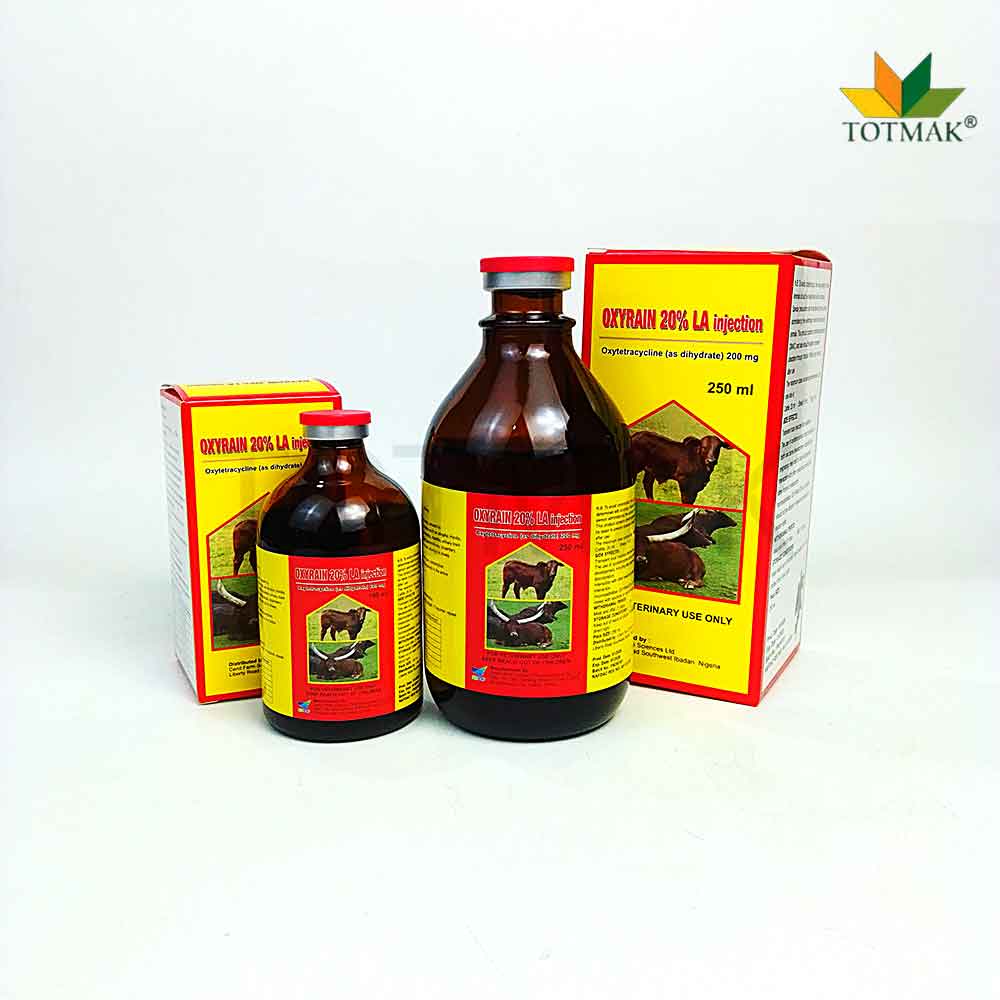
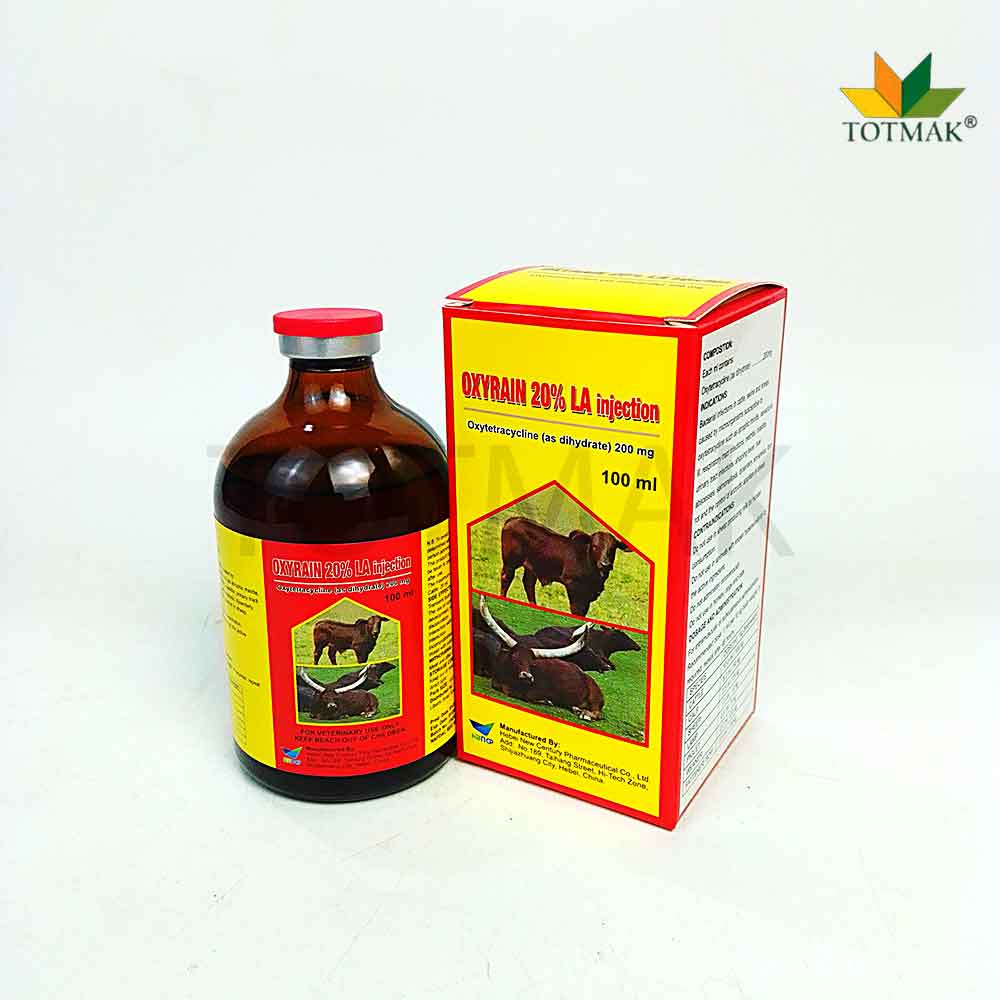
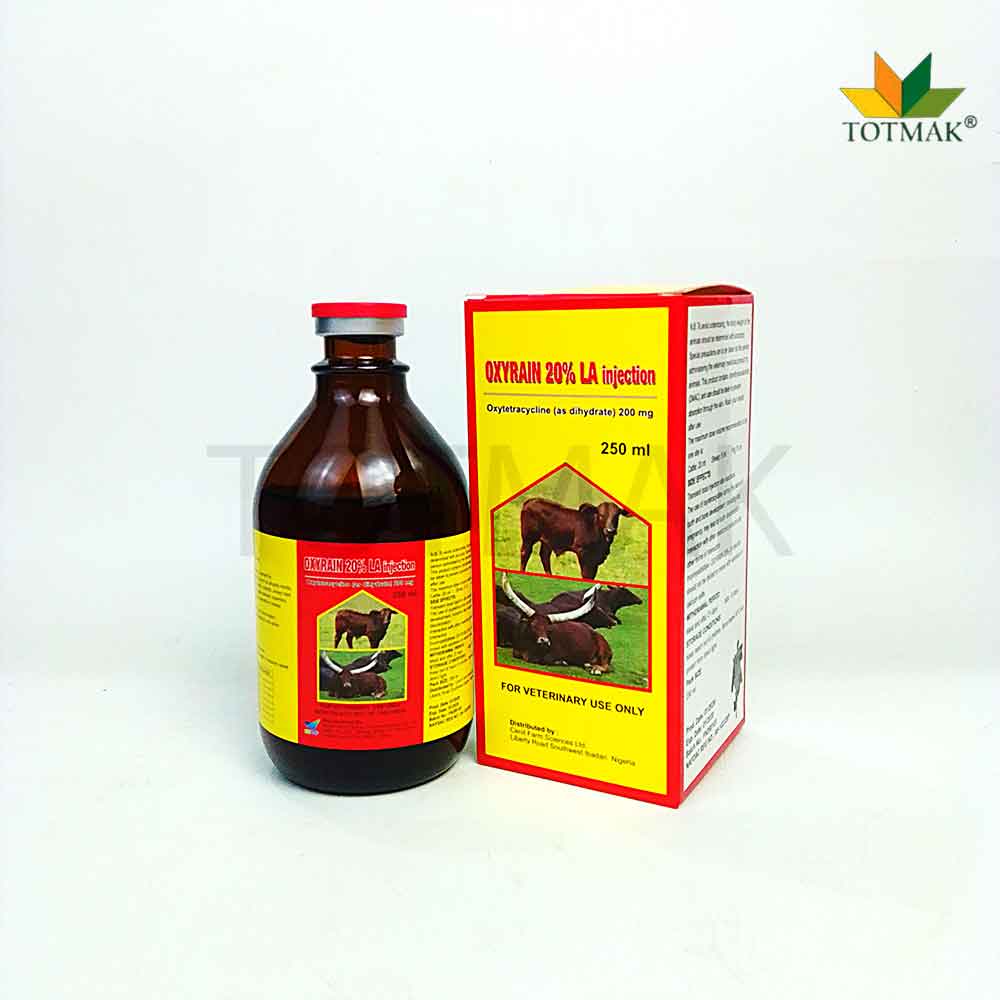
Oxyrain – Oxytetracycline Antibiotic for Livestock
Oxyrain is a veterinary antibiotic containing oxytetracycline, indicated for the treatment of bacterial infections in cattle, swine, and sheep caused by microorganisms susceptible to oxytetracycline. It provides broad antibacterial activity and can be used as part of a veterinary disease-management programme where susceptible bacterial infections are identified or strongly suspected.
Bacterial diseases can affect several body systems in livestock and may lead to reduced appetite, poor growth, reduced production, reproductive problems, and significant economic losses. Prompt diagnosis and appropriate treatment are important for maintaining healthy and productive animals.
Respiratory Infection Management
Oxyrain is indicated for susceptible respiratory infections in livestock, including conditions such as shipping fever and respiratory disease associated with bacterial infections. Respiratory infections can result in coughing, nasal discharge, fever, difficulty breathing, reduced feed intake, and poor performance.
Reproductive and Udder Health
The supplied indications include metritis and mastitis, two important conditions affecting livestock production. Metritis can affect reproductive health, while mastitis can compromise udder health and milk production. Oxyrain may be used where the causative bacteria are susceptible to oxytetracycline.
In sheep, Oxyrain is also indicated for the control of enzootic abortion, subject to veterinary diagnosis and appropriate disease-control protocols.
Digestive and Other Bacterial Infections
Oxyrain is also indicated for several other susceptible bacterial conditions, including:
- Salmonellosis
- Dysentery
- Erysipelas
- Liver abscesses
- Foot rot
- Urinary tract infections
- Navel and joint infections
- Atrophic rhinitis
These conditions can negatively affect animal welfare, growth, productivity, and overall farm performance.
Key Benefits
- Oxytetracycline-based veterinary antibiotic
- Suitable for cattle, swine, and sheep
- Helps manage susceptible bacterial infections
- Supports respiratory disease treatment
- Indicated for mastitis and metritis
- Helps manage urinary tract infections
- Indicated for foot rot and erysipelas
- Supports treatment of salmonellosis and dysentery
- Helps manage navel and joint infections
- Supports control of enzootic abortion in sheep
Indications:
Bacterial infections in cattle, swine and sheep, caused by microorganisms susceptible to oxytetracycline such as astrophic rhinitis, navel/joint ill, respiratory tract infections, metritis, mastitis, urinary tract infections, shipping fever, liver abscesses, salmonellosis, dysentery, erysipelas, foot rot and the control of enzootic abortion in sheep.
Contradictions:
Do not use in sheep producing milk for human consumption.
Do not use in animals with known hypersensitivity to the active ingredient.
Do not administer intravenously.
Do not use in horses, dogs and cats.
Dosage and Administration:
For intramuscular or subcutaneous administration.
Recommended dose: 1 ml per 10kg body weight.
If required, repeat after 48 hours.
| SPECIES | DOSE(ml) /Kg Bodyweight |
| CATTLE | 10.0 ml/ 100kg |
| CALF | 5.0 ml/ 50kg |
| SHEEP | 2.5 ml/ 25kg |
| LAMB | 1.0 ml/ 10kg |
| PIGLET | 0.5 ml/ 5kg |
| WEANER | 2.0 ml/ 20kg |
| FATTENER/ SOW | 7.5 ml/ 75kg |
N.B: To avoid underdosing, the body weight of the animals should be determined with accuracy. Special precautions are to be taken by the person administering the veterinary medicine product to animals. This product contains dimethylacetamide (DMAC), and care should be taken to prevent absorption through the skin. Wash your hands after use.
The maximum dose volume recommended at any one site is:
Cattle: 20 ml
Sheep: 5 ml
Pig: 10 ml
Side Effects:
Transient local injection site reactions.
The use of oxytetracycline during the period of tooth and bone development, including late pregnancy, may lead to tooth discoloration. Interaction with other medicinal products and other forms of interaction
Incompatibilities: OXYRAIN 20% LA injection should not be diluted or mixed with solutions of calcium salts.
Withdrawal Period:
Meat and offal: 21 days
Milk: 10 days
Responsible Antibiotic Use
Not every infection requires an antibiotic, and treatment should ideally be based on veterinary diagnosis. Correct identification of the causative organism improves the likelihood of successful treatment and helps promote responsible antimicrobial use.
Always administer Oxyrain according to the manufacturer’s recommended dosage, treatment duration, precautions, and applicable withdrawal periods. Observe all veterinary and product-label instructions, particularly when treating food-producing animals.
Why Choose Oxyrain?
Oxyrain provides farmers with an oxytetracycline-based option for managing a wide range of susceptible bacterial infections in cattle, swine, and sheep. When incorporated into a proper veterinary health programme, it can help protect animal health, support recovery, and reduce losses associated with bacterial disease.
Storage Condition:
Keep reach out of children. Store below 30°C and protect from direct light.
Reviews
There are no reviews yet.